What Does A Residential Care Home Provide?

If you’re thinking about long-term care, you may be wondering exactly what a residential care home offers, and if it is right for you. In this handy blog post, we’ll be looking into what a residential care home is and how it support its residents.
What is a Residential Care Home?
A residential care home is a supportive and welcoming environment where older adults, usually aged 65 and over, can receive 24-hour care tailored to their daily needs. Unlike other types of care facilities that may focus on specialised services such as nursing, dementia, or end-of-life care, residential care homes primarily provide personal and day-to-day support in a safe and comfortable setting.
Residents benefit from consistent assistance with activities like meals, personal hygiene and companionship, ensuring that help is always available whenever it’s needed. These homes are designed to foster a sense of community and security, allowing residents to maintain independence while knowing that caring support is always within reach.
What Services Do Residential Care Homes Provide?
Personal Care
In a residential care home, personal care is delivered with warmth, dignity and respect, ensuring each resident feels supported without ever being rushed or overwhelmed. Trusted care staff are there to assist residents with everyday tasks, like getting dressed in the clothes of their choice, offering help only when it’s needed or requested. On days when a resident feels more independent, carers may simply provide reassurance rather than hands-on support, allowing personal confidence to flourish.
Many homes, especially luxury residences, feature private en-suite wet rooms designed for safety and accessibility, complete with handrails, raised seats and spacious layouts. These thoughtful features let residents manage as much of their bathing and grooming as possible, promoting both independence and peace of mind.
Taking Care of Chores
In a residential care home, everyday chores are thoughtfully handled so residents can focus on comfort, relaxation and enjoying their time. Fresh, homemade meals are prepared daily, taking away the need to cook or meal plan, while still offering the choice to try new dishes or stick to familiar favourites from a set menu.
Care homes also ensure that all living spaces, including private rooms, are kept clean and immaculate, removing the physical strain and worry of household chores. Maintaining a spotless environment supports both mental and physical wellbeing, giving residents peace of mind and the freedom to enjoy their days without unnecessary stress.
A Supportive Community & Companionship
Life in a residential care home offers a strong sense of community and companionship, where residents can connect with others in a friendly, welcoming atmosphere. Mealtimes, communal areas, quiet lounges and organised activities provide plenty of opportunities to socialise and build friendships with like-minded people. Supportive and patient staff help create a warm, nurturing environment where everyone can thrive at their own pace.
At the same time, residents always have the freedom to choose how they spend their day, whether joining in group activities or enjoying a peaceful moment in the privacy of their own bedroom, ensuring that independence and personal preference are respected and encouraged.
Personalised Care Plans
In a residential care home, personalised care plans ensure that every resident receives support tailored specifically to their needs, preferences and lifestyle. Care experts work closely with residents and their families to understand not only practical care requirements but also personal details such as values, interests and daily routines. This allows carers to communicate in ways that are meaningful and engaging, and helps activities coordinators plan hobbies and experiences that truly reflect each resident’s passions.
Residents maintain control over how they spend their day, when they wake, eat, or relax, while the care plan ensures that all opportunities for comfort, enjoyment and social connection are available.
These plans are carefully reviewed and updated whenever needs or preferences change, with formal assessments often occurring every six months, providing reassurance that every aspect of care is relevant and never overlooked.
Accommodation and Facilities
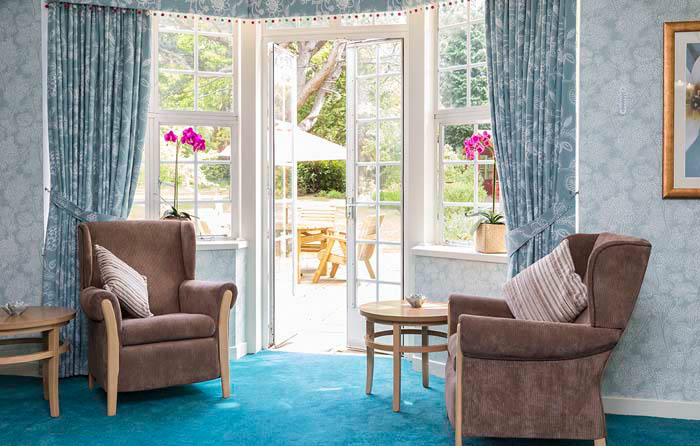
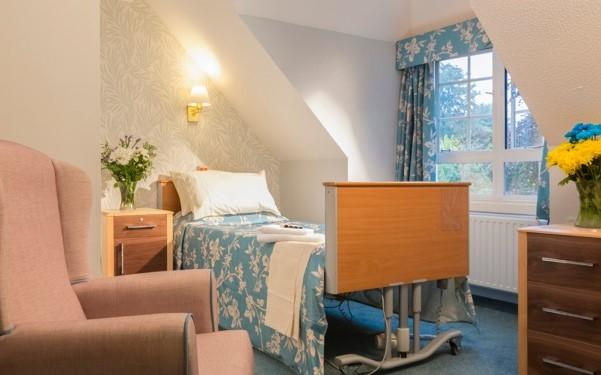
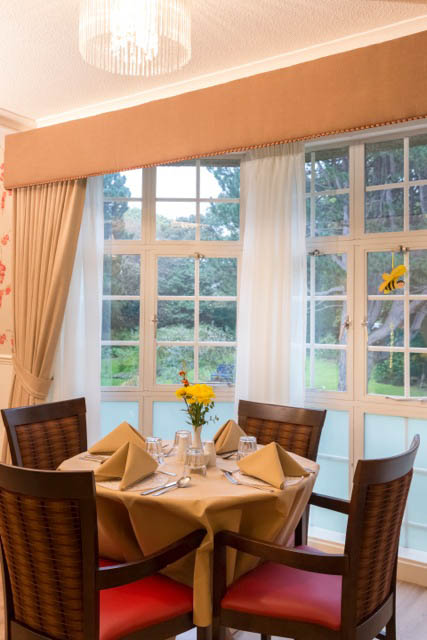
Residential care homes are designed to provide comfort, convenience, and opportunities for an active, fulfilling lifestyle. In most care homes, residents will have their own private bedroom with en-suite facilities, offering a personal space to relax and feel at home, while communal lounges and dining areas create welcoming spaces for socialising and shared meals.
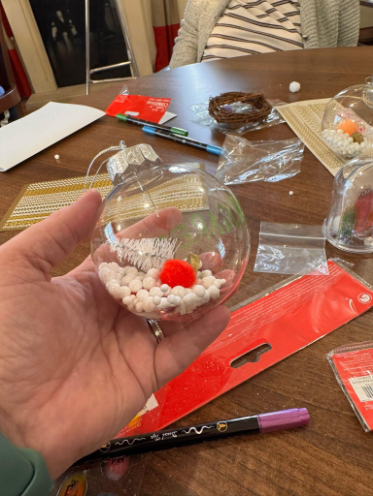
Care homes often include a full activities programme, from gentle exercise classes and arts and crafts to regular entertainment, encouraging both physical wellbeing and creativity. Many homes also feature private, secure gardens, giving residents safe spaces to enjoy fresh air and gentle movement, as well as on-site hair salons for personal care and grooming.
To support independence and community engagement, private transport is usually available for outings, social trips and medical appointments, ensuring residents can stay connected and active with ease and peace of mind.
Family Support and Advice
Residential care homes provide reassurance not only to residents but also to their families, offering guidance and support every step of the way. Care experts are available to help with practical matters such as financial advice and suggestions for the type of care a loved one may need, while also providing emotional support during what can be a challenging transition into full-time care.
Staff work closely with families, keeping them informed and involved in all aspects of their relative’s care whenever they wish, ensuring transparency and confidence. This ongoing communication and support give families peace of mind, knowing that their loved one is safe, comfortable and valued in a caring and attentive environment.
What Is The Difference Between Nursing and Residential Care?
Residential care and nursing care both offer welcoming, supportive environments, but they differ in the level of medical support provided. Residential care focuses on personal care, social opportunities, activities and daily living support, all delivered by skilled care assistants who help residents maintain independence and enjoy a fulfilling lifestyle.
Nursing care offers all of the same features as residential care, but builds on this foundation by also providing round-the-clock clinical support from qualified nurses, including administering medications, treating medical conditions and assisting with rehabilitation after illness or injury. This higher level of care is ideal for individuals with long-term medical conditions or complex healthcare needs, while residential care is perfectly suited for those who primarily require help with daily tasks and companionship in a safe, nurturing environment.
Residential Care in Edinburgh
If you’re looking for exceptional residential care in the heart of Edinburgh, Colinton Care Home may be the perfect place for you. Our skilled and compassionate staff are dedicated to providing the highest standards of wellbeing to all our residents through companionship, meaningful experiences and professional support. If you have any questions about what our residential care includes, or anything else covered in this blog, please don’t hesitate to get in touch with our friendly team.