Respite Care: Your Guide To Short-Term Care Home Stays

Caring for a loved one is an incredibly noble and rewarding responsibility, however, everyone needs a break every once in a while. It’s important not to feel guilty about seeking respite care for your loved one as there are many benefits that can positively impact everyone involved. In this quick guide, we’ll cover everything you need to know about respite care in care homes to help you make the right decision for you and your family.
What is Respite Care?
Respite care is a form of short-term support designed to give family members or regular carers a break from their caring responsibilities while ensuring their loved one continues to receive safe, professional care. The level of care can range from residential, which provides support with daily living, from intensive nursing and clinical care. In a care home setting, respite stays can last from a few days to several weeks, depending on the needs of the individual and their family. However, it is worth noting that many care homes have a minimum stay, for example, Colinton Care Home offers respite stays for a minimum of one week.
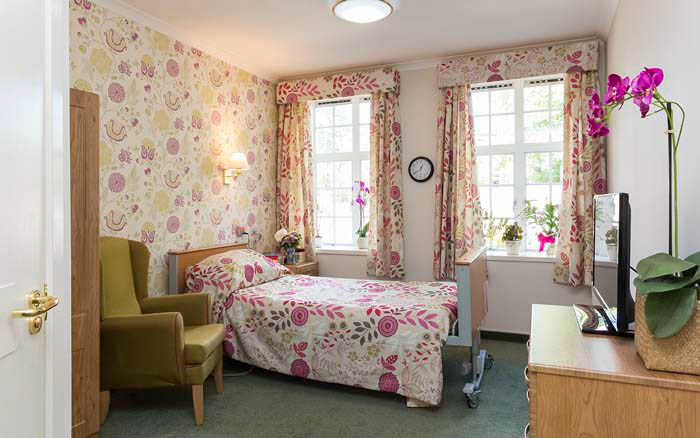
During their time in the care home, short-term residents are welcomed into the home and supported just like long-term residents. They have access to the same facilities, amenities, and opportunities, including organised activities, comfortable communal spaces, and secure private gardens where they can relax outdoors. Residents also benefit from 24-hour nursing care and support from trained staff, providing reassurance that help is always available if needed. Respite care not only gives carers time to rest, travel, or focus on other responsibilities, but it can also be a positive experience for the person receiving care, offering social interaction, new activities, and a safe, supportive environment.
Who is Respite Care For?
Respite care can support families in a variety of situations, offering flexibility when extra help is needed. For people who regularly care for a loved one, a short stay in a care home can provide valuable time to rest, go on holiday, or catch up with other responsibilities, knowing that their family member is being well looked after. It can also be particularly helpful if a carer becomes unwell themselves and needs time to recover.
Respite stays may be planned in advance or arranged at short notice, for example if someone experiences a fall and requires temporary care outside of a hospital setting. Care homes can also support individuals who are recovering after an illness or accident and have recently been discharged from hospital, giving them a safe place to regain strength before returning home. In addition, some people choose respite care as a way to experience life in a care home before making a longer-term decision about moving in, allowing them and their families to feel more confident and comfortable with their choice.

The Benefits of Respite Care
Reducing Carer Burnout & Improving Relationships
Respite care in a care home can provide many important benefits for both carers and the people they support. One of the most significant advantages is that it helps reduce the risk of carer burnout. Caring for a loved one can be incredibly rewarding, but it can also be physically and emotionally demanding. Taking a short break allows carers to rest, recharge, and return to their role with renewed energy, which can also strengthen and improve the relationship between the carer and their loved one. The opportunity to rest can also bring clear physical health benefits, giving carers time to focus on their own wellbeing, catch up on sleep, and prioritise self care.
Social Opportunities & Preventing Isolation
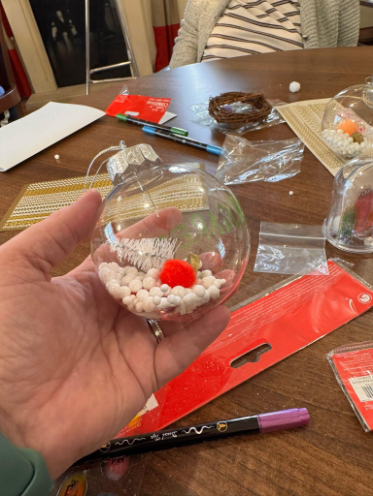
Respite care can also offer valuable social opportunities for both the carer, to catch up with their friends they may not have had the time to see, as well as the individual receiving care. While staying in a care home, residents have the chance to meet new people, make friends and take part in a range of organised activities such as arts and crafts, gentle exercise sessions, games and entertainment. These activities may not always be possible at home, particularly if someone has more complex care needs.
24-hour Peace Of Mind
For people who require nursing support, the availability of 24-hour care provides reassurance and peace of mind, allowing them to relax and enjoy their time in a safe environment. It can also be especially beneficial for people living with dementia, as many care homes provide dementia-friendly environments and activities that encourage mental stimulation and support brain health. At the same time, respite care allows carers to focus on other responsibilities without constant worry.
Tending to Personal Needs
As well as valuable self care, everyday tasks such as grocery shopping, attending appointments or managing household chores can be much more challenging when caring for someone with additional needs. For example, shopping with a loved one who has dementia may sometimes be difficult if they become confused or distracted. Knowing that their loved one is safe, comfortable, and well supported in a care home can give carers the freedom to manage these responsibilities with greater ease and peace of mind.

How Do I Get Respite Care?
Arranging respite care can be done in a few different ways, depending on your circumstances and the level of support you need. In some cases, respite care may be arranged through a carer’s assessment or a needs assessment for the person you care for, which is carried out by your local council. Following this assessment, the council or a care charity may be able to offer financial support or a grant to help cover the cost of a respite stay. However, if respite care is organised through the council, you may not always be able to choose the exact care home yourself. For this reason, many families prefer to research and arrange respite care privately so they can select a home they feel comfortable with.
It is important to choose a care home that you trust and believe will provide the best experience for both you and your loved one. A good starting point is to research local homes that offer respite care, for example by searching online for terms such as “respite care in Edinburgh.” Care home comparison websites, such as carehome.co.uk, can also be helpful, as they allow you to see ratings, reviews, and homes located near you. When comparing options, it is worth considering the results from the latest Care Inspectorate inspection, the official body that regulates care facilities in Scotland, alongside feedback from residents and families and the overall lifestyle the home offers. For example, if spending time outdoors is important to your loved one, you may wish to choose a care home with a secure, private garden where they can relax and enjoy fresh air.
Respite Care in Edinburgh
If you’re looking for high-quality respite care in Edinburgh, look no further than Colinton Care Home. Our staff are dedicated to providing exceptional care, so you and your loved one can return to every day like fully rested and relaxed. Guests have access to all the same luxury facilities and 24-hour support that our full-time residents do, providing full peace of mind and the highest wellbeing. If you’d like to speak with our friendly team about how we can help you, please get in touch today.